On booking platforms a guest sees dozens of properties on one screen. The decision to open yours is made in under a second, based on one image and one price.
That means the first photograph is not a question of taste. It is where you beat or lose half the competition before the description is read at all.
The short version
- The first photograph should show the property's strongest feature, not its facade.
- Natural light and the time of day matter more than the equipment.
- The description is only read once the photographs have done their job.
- Anything not shown in the photographs, guests assume does not exist.
- Wrong expectations cost you in reviews, not in bookings.
Which photograph goes first
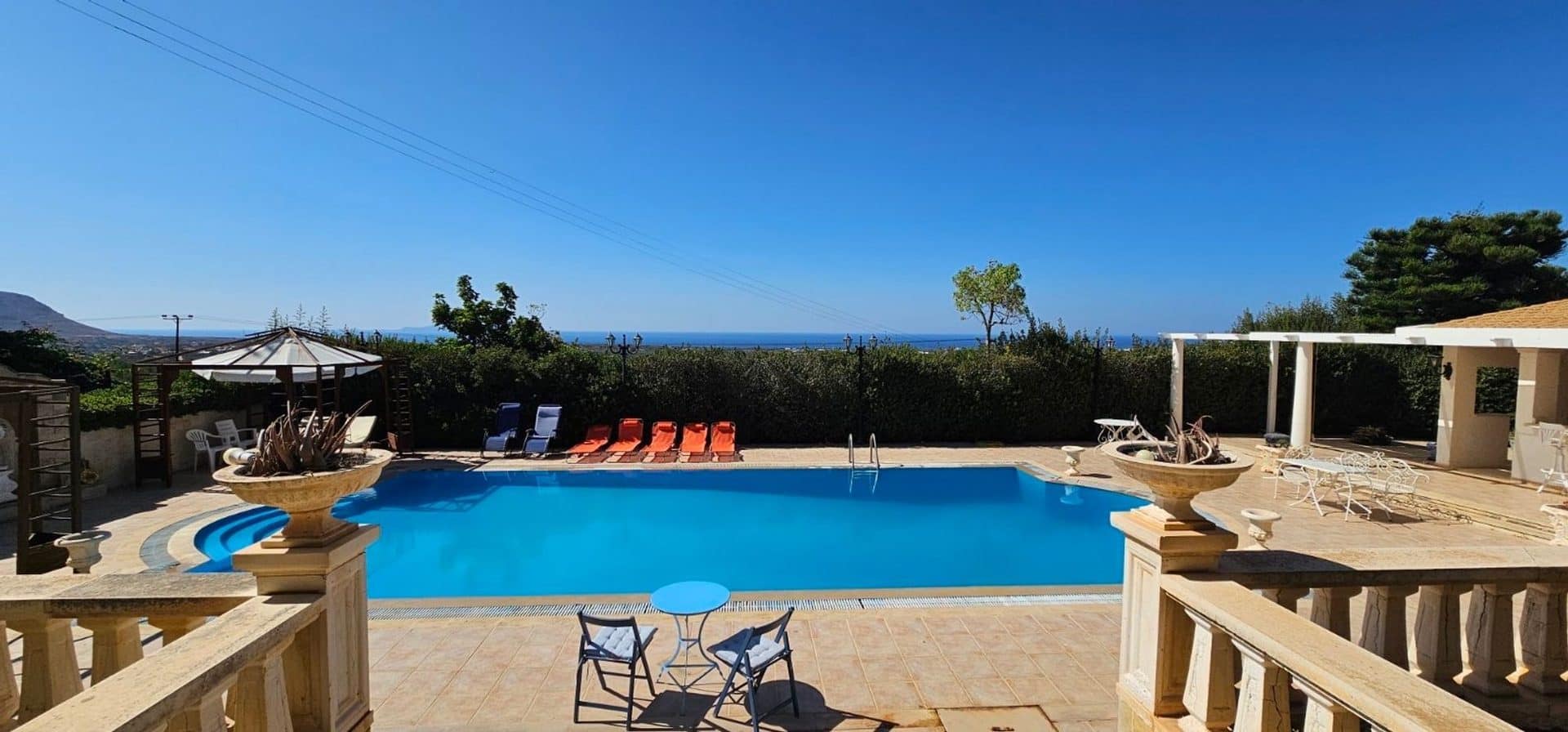
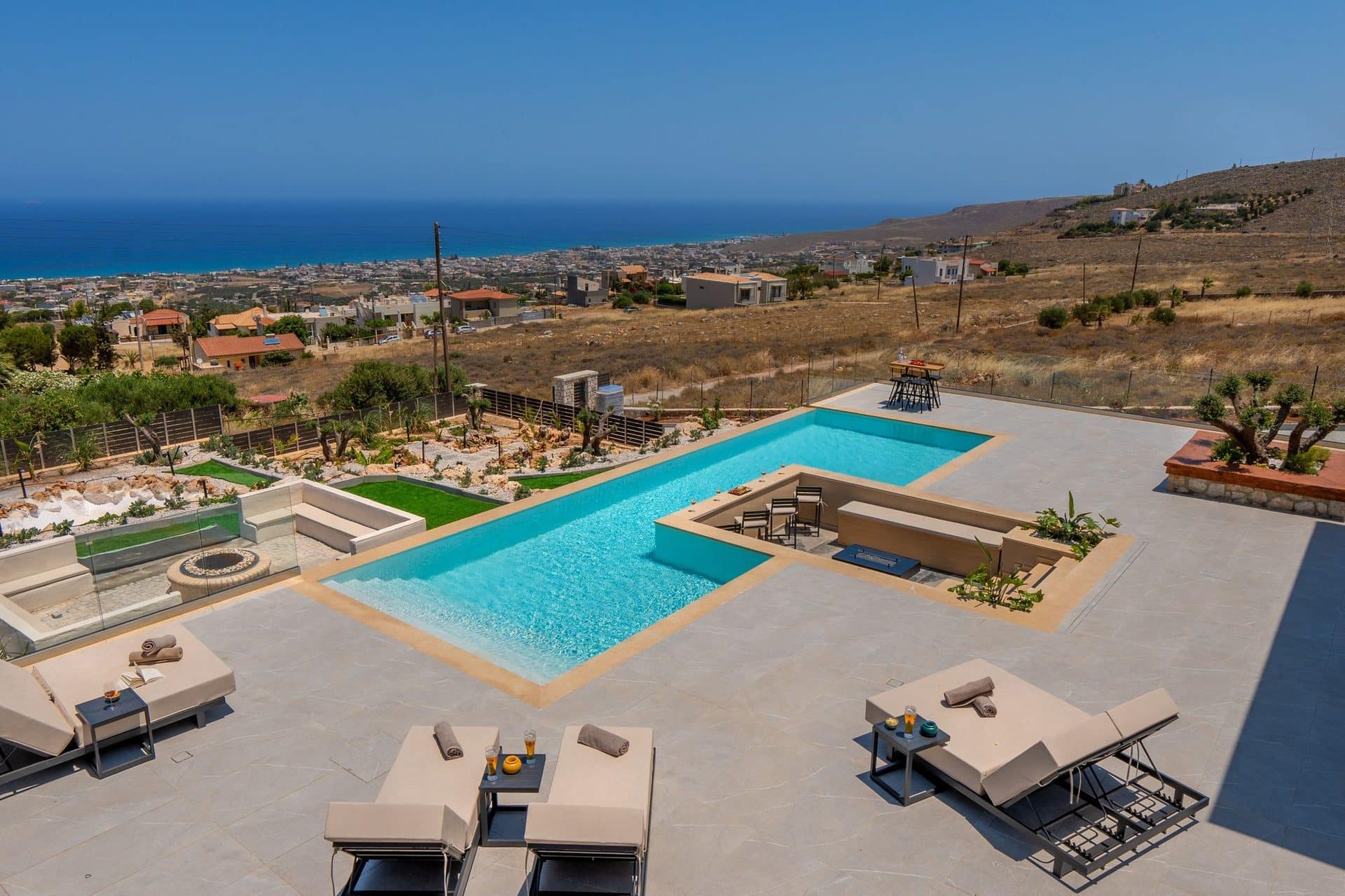
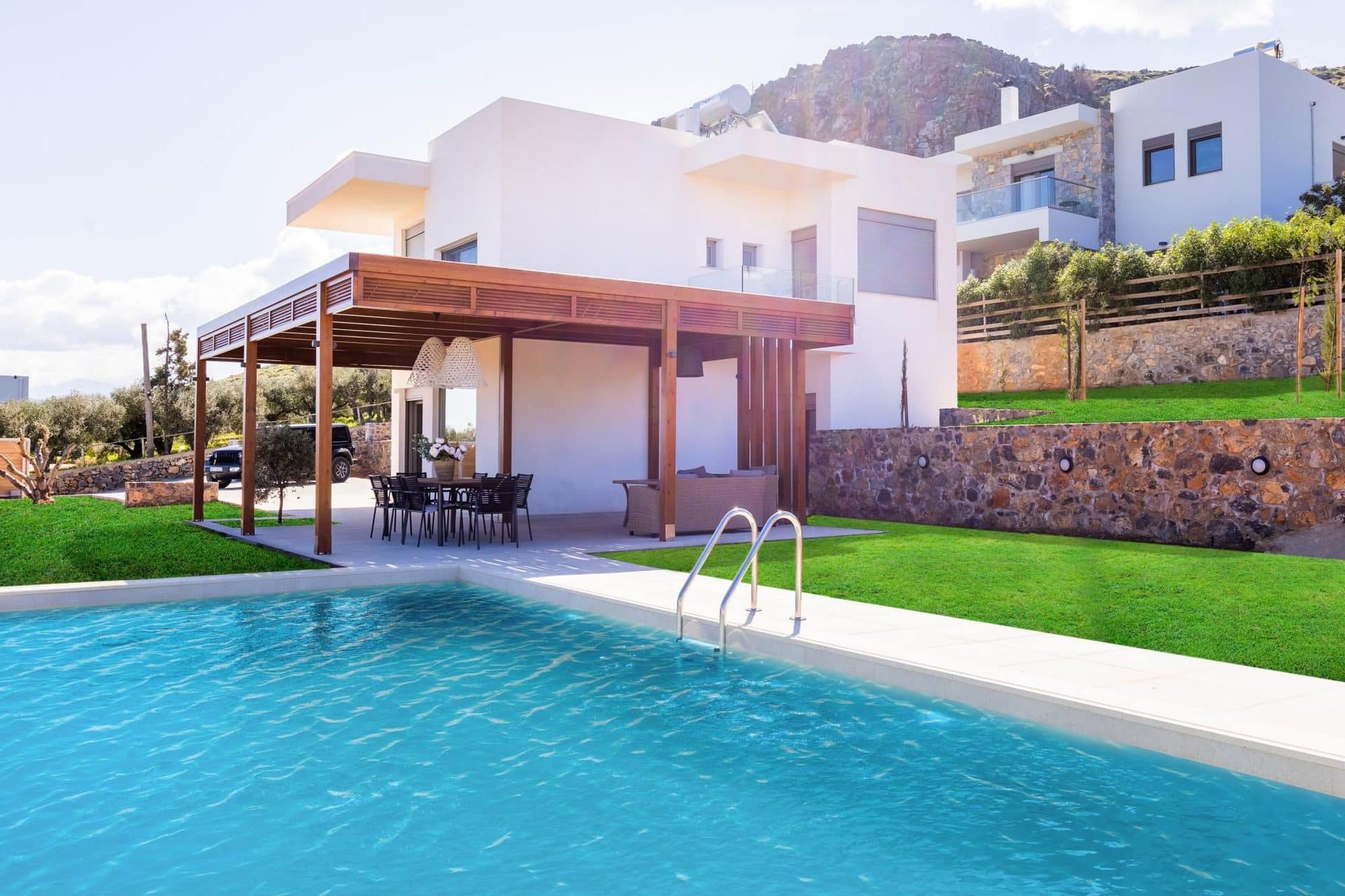
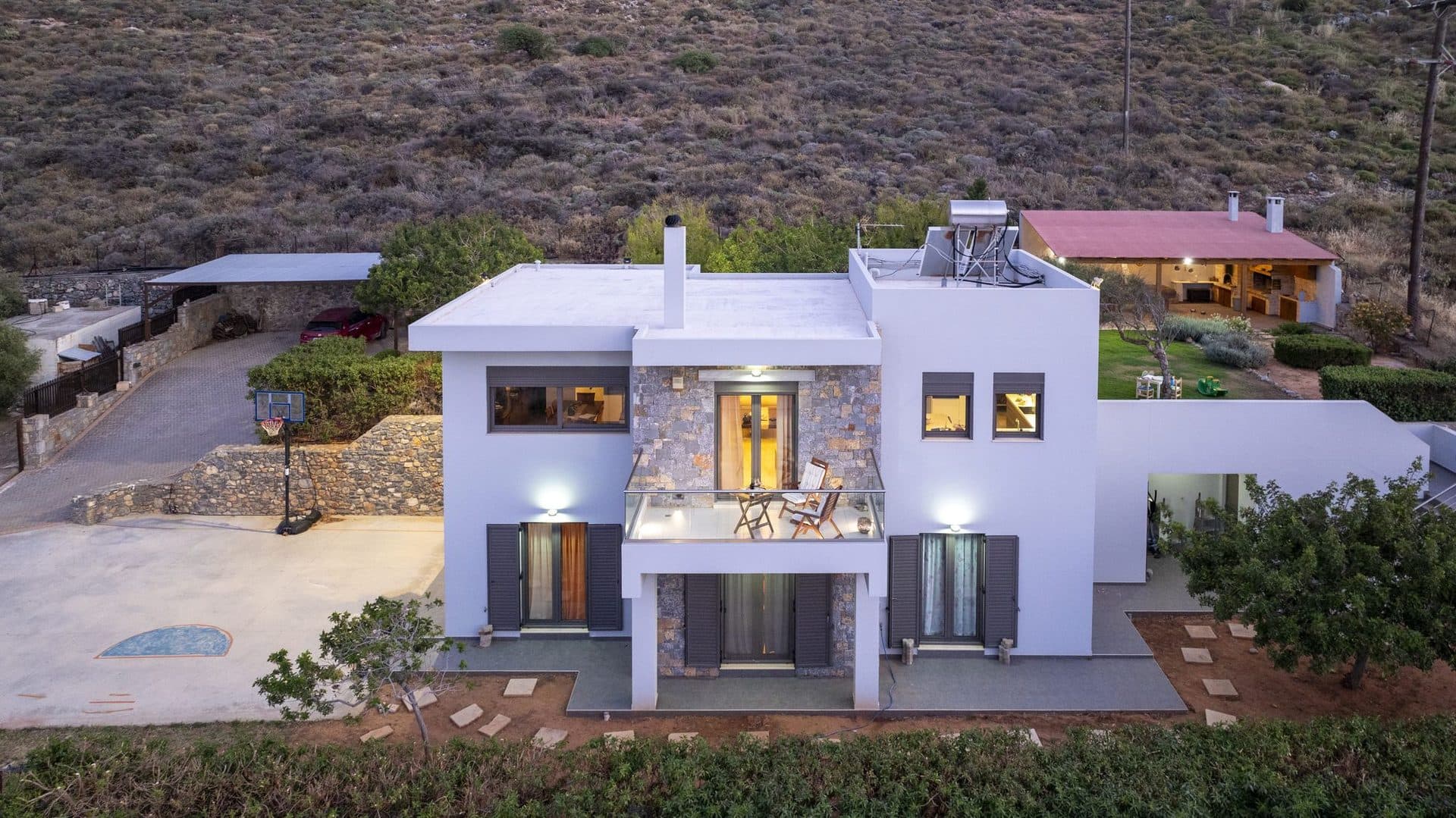
The most common choice is an exterior view of the house, and it is almost always wrong. The guest is not looking for a house, they are looking for a holiday. If the property has a pool with a view, the pool goes first. If it has a terrace facing the sea, the terrace goes first.
In practice we test: we change the lead image and watch what it does to impressions and clicks. That is not a one-off, it happens each season.
When the photographs are taken
The same property photographed at two in the afternoon and at seven in the evening looks like two different properties. Outdoor areas want low, angled light; interiors want the shutters open and the lights on at the same time.
Night shots with a lit pool work very well as a second or third image, but rarely as the first, because they do not show the view.
What must be visible
- Every bedroom separately, with the bed made.
- The bathroom. If it is missing, guests assume the worst.
- The kitchen with its actual equipment.
- Outdoor areas at a time when they have shade, because that is where people will sit.
- The view from where someone actually sees it, not from the roof.
The description
The description does not sell, it clarifies. Its job is to answer the questions that would make a guest hesitate: how far the sea is, whether a car is needed, whether every room has air conditioning, whether it is quiet at night.
A property described accurately gets fewer bookings and better reviews. That is a good trade, because reviews determine ranking and the rate the property can hold for years.
The order matters
Guests do not look at photographs as an album, they scroll past them. The first five decide almost everything. An order that works is: the strongest feature, the main living space, the master bedroom, the shaded outdoor area, and the kitchen.
The other rooms, the bathrooms and the details follow. Photographs of the area go last, because by then the guest has decided they are interested and wants to understand where they will be.
A listing is not finished when it is published
A listing is not text written once. Platforms add fields, and guests ask the same question repeatedly, which is a clear sign that it is missing from the description.
We keep the questions that recur and add them to the listing. Every question answered before it is asked is one less opportunity for the guest to choose another property while waiting for a reply.
The same varies by area: what guests ask about a property in Rethymno is not what they ask about one in Chania.
Common mistakes
- Phone photographs shot vertically. Platforms crop them.
- A wide-angle lens that makes a room look twice its size. The guest works it out on arrival and writes it down.
- Photographs from an old season showing furniture that is no longer there.
- A description that hides the steps, the distance or the noise.
- No photographs of the area at all. Guests want to understand where they are going.
Before the photographer arrives
Preparation makes more difference than equipment. The property should be in the state the best guest of the year would find it: clean, tidy and free of personal belongings.
- Remove cables, chargers, cleaning products and anything suggesting someone lives here permanently.
- New or unblemished linen and towels. They show immediately in a photograph.
- Clean glass and mirrors, because marks become visible in the light.
- A clean pool with the loungers arranged where a guest would find them.
- A few fresh touches: fruit, flowers from the garden, a table set on the terrace.
An hour of preparation changes the result more than a more expensive camera does.
Refreshing each season
Photographs age without you noticing. Furniture changes, the garden grows in, the terrace gets repainted. A listing with three-year-old images suggests a property that is not looked after, even when it is in excellent condition.
A refresh every two seasons, or immediately after any change to the spaces, is enough. Pricing is directly connected to this, because better photographs raise the rate a property can hold, as we set out in the article on dynamic pricing.
What is not worth the money
Drone footage impresses but rarely changes the decision, unless the property is isolated and its surroundings need to be shown. Virtual tours also give marginal returns for smaller properties.
Money goes further on good photography and on whatever makes the property look better on the day of the shoot: cleaning, tidying and a few new sets of linen. To see how this fits together, look at what full management covers.